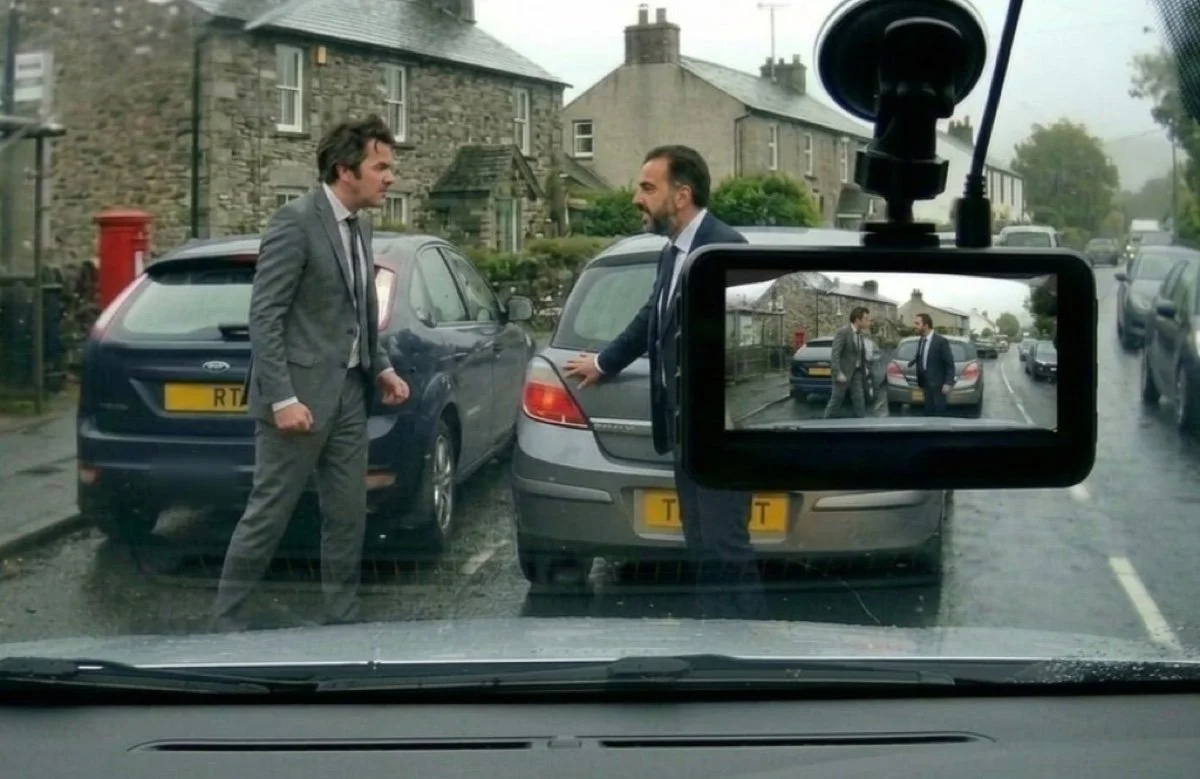
A low-speed collision, a scratched bumper or an incident in a car park can appear straightforward at first. But when two drivers remember events differently, it may become difficult to establish exactly what happened and in what order.
This is one of the reasons many motorists consider fitting a dashcam. A camera cannot prevent an accident, and footage does not guarantee the result of an insurance claim or complaint. However, a clear recording may provide useful context when the circumstances of an incident are being reviewed.
A dashcam is best thought of as a record of the journey: it may help show road position, traffic conditions and the sequence of events when accounts differ.
Why Drivers Consider Dashcams
Everyday driving involves more than major collisions. Drivers may want footage following a parking incident, a close pass, damage discovered after leaving a vehicle unattended or a disagreement about traffic conditions at the time of an event.
Front-facing cameras record the road ahead, while front-and-rear systems can offer wider coverage. Some models also include parking monitoring, GPS location data, Wi-Fi connectivity or higher-resolution recording. Each feature has practical benefits, but not every driver needs the most expensive or most complicated device.

What Footage May Help Show
Depending on the model and recording conditions, dashcam footage may help show the direction of travel, traffic signals, lane position, nearby vehicles, weather conditions and the timing of an incident. Where a device includes GPS, location or journey data may also be recorded.
The usefulness of any recording depends on factors such as lighting, weather, windscreen condition, camera angle, video resolution and whether the relevant footage has been saved before it is overwritten by loop recording.
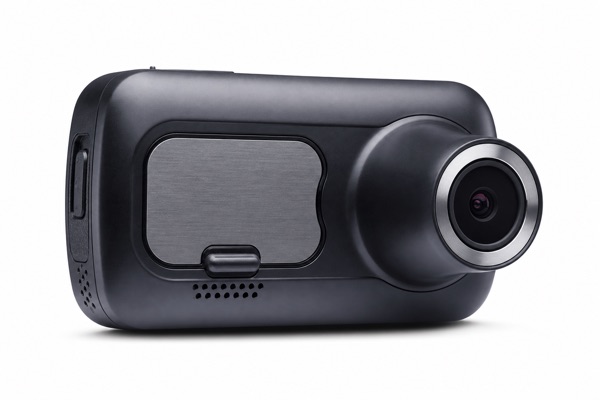
Product presented for comparison
Nextbase 622GW
4K Ultra HD · GPS · Parking Mode · Emergency SOS
- 4K Ultra HD recording specification
- GPS location and journey data features
- Parking mode support
- Emergency SOS feature
- Wi-Fi and compatible connectivity features
Product specifications, compatibility and any displayed pricing should be confirmed before any separate purchase arrangement is made. No payment is taken through this website.
Parking Monitoring: Useful, but Worth Checking Carefully
Drivers interested in monitoring a parked vehicle should check how parking mode works on the model they are considering. Some cameras use motion or impact detection, while others may require permanent power through a suitable hardwire installation. The feature may also affect storage use and power management.
It is also important to understand that parking monitoring cannot guarantee that every incident will be captured clearly. Camera angle, lighting, obstruction and the position of another vehicle can all affect the usefulness of a recording.
Using Footage Responsibly
A dashcam records people, number plates and events occurring in public spaces. Drivers should handle recorded footage responsibly, particularly before sharing clips publicly online. Where footage relates to an accident, insurance matter or potential offence, it may be more appropriate to provide it to the relevant organisation rather than publish it broadly.
A Practical Choice Rather Than a Guarantee
Choosing a dashcam is ultimately about deciding what level of recording coverage is appropriate for your driving habits and your vehicle. Some drivers want a compact front-facing model for everyday journeys; others prefer rear coverage, parking monitoring or higher-resolution recording.
The most suitable option is not necessarily the model with the longest list of features. It is the model whose recording quality, installation requirements, storage options and practical functions match the way you use your car.